
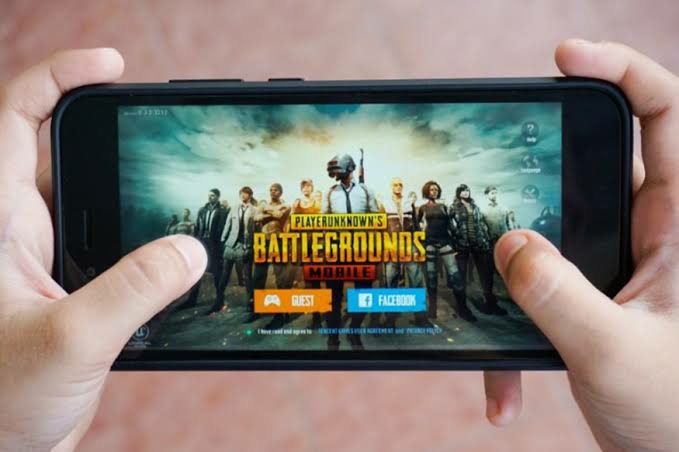
It’s great to do things you enjoy. But can you go too far with a hobby? And at what point does it become an addiction? That’s the question experts are trying to answer about playing video games.
Even though gaming has been around for almost 50 years, studies about its harms are still in the early stages. Different groups have come to different conclusions about whether problem playing should be called an addiction.
The World Health Organization added “gaming disorder” to the 2018 version of its medical reference book,International Classification of Diseases. But the American Psychiatry Association’s manual, the DSM-5, didn’t. (So far, gambling is the only “activity” listed as a possible addiction.)
Signs to Watch For
The DSM-5 does include a section to help people and doctors know the warning signs of problem video gaming. These problems can happen whether you play online or offline.
Here’s what to look for in yourself or someone close to you — your partner, a child, or a friend. You need to have five or more of these signs in 1 year to have a problem, according to criteria that were proposed in the DSM-5:
Thinking about gaming all or a lot of the time
Feeling bad when you can’t play
Needing to spend more and more time playing to feel good
Not being able to quit or even play less
Not wanting to do other things that you used to like
Having problems at work, school, or home because of your gaming
Playing despite these problems
Lying to people close to you about how much time you spend playing
Using gaming to ease bad moods
NAME:-TUSHAR WAMAN
CLASS:- SY-BBA-IB
ROLL NO:- 382
 cricket love