
What is PPC?
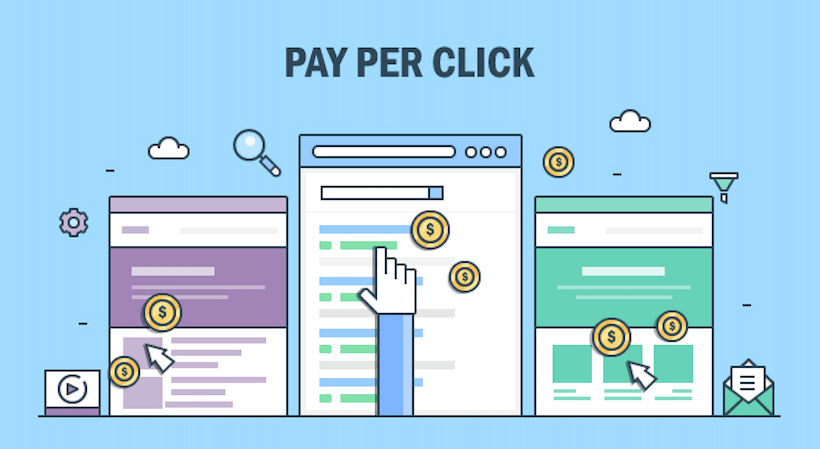
PPC stands for pay-per-click, a model of internet marketing in which advertisers pay a fee each time one of their ads is clicked. Essentially, it’s a way of buying visits to your site, rather than attempting to “earn” those visits organically.
Search engine advertising is one of the most popular forms of PPC. It allows advertisers to bid for ad placement in a search engine’s sponsored links when someone searches on a keyword that is related to their business offering. For example, if we bid on the keyword “PPC software,” our ad might show up in the very top spot on the Google results page.
Every time our ad is clicked, sending a visitor to our website, we have to pay the search engine a small fee. When PPC is working correctly, the fee is trivial, because the visit is worth more than what you pay for it. In other words, if we pay $3 for a click, but the click results in a $300 sale, then we’ve made a hefty profit.
A lot goes into building a winning PPC campaign: from researching and selecting the right keywords, to organizing those keywords into well-organized campaigns and ad groups, to setting up PPC landing pages that are optimized for conversions. Search engines reward advertisers who can create relevant, intelligently targeted pay-per-click campaign by charging them less for ad clicks. If your ads and landing pages are useful and satisfying to users, Google charges you less per click, leading to higher profits for your business. So if you want to start using PPC, it’s important to learn how to do it right.
 PPC Keyword Research
Keyword research for PPC can be incredibly time-consuming, but it is also incredibly important. Your entire PPC campaign is built around keywords, and the most successful Google Ads advertisers continuously grow and refine their PPC keyword list. If you only do keyword research once, when you create your first campaign, you are probably missing out on hundreds of thousands of valuable, long-tail, low-cost and highly relevant keywords that could be driving traffic to your site.
An effective PPC keyword list should be:
Relevant – Of course, you don’t want to be paying for Web tariff that has nothing to do with your business. You want to find targeted keywords that will lead to a higher log click through rate , effective cost per click, and increased profits. That means the keywords you bid on should be closely related to the offerings you sell.
Exhaustive – Your keyword research should include not only the most popular and frequently searched terms in your niche, but also to the long tell of research Long-tail keywords are more specific and less common, but they add up to account for the majority of search-driven traffic. In addition, they are less competitive, and therefore less expensive.
Expansive – PPC is iterative. You want to constantly refine and expand your campaigns, and create an environment in which your keyword list is constantly growing and adapting.
If you want to find high-volume, industry-specific keywords to use in your PPC campaigns, be sure to check out our popular keyword.
NAME:- TUSHAR WAMAN
CLASS:- SY-BBA-IB
ROLL NO:- 382
 cricket love